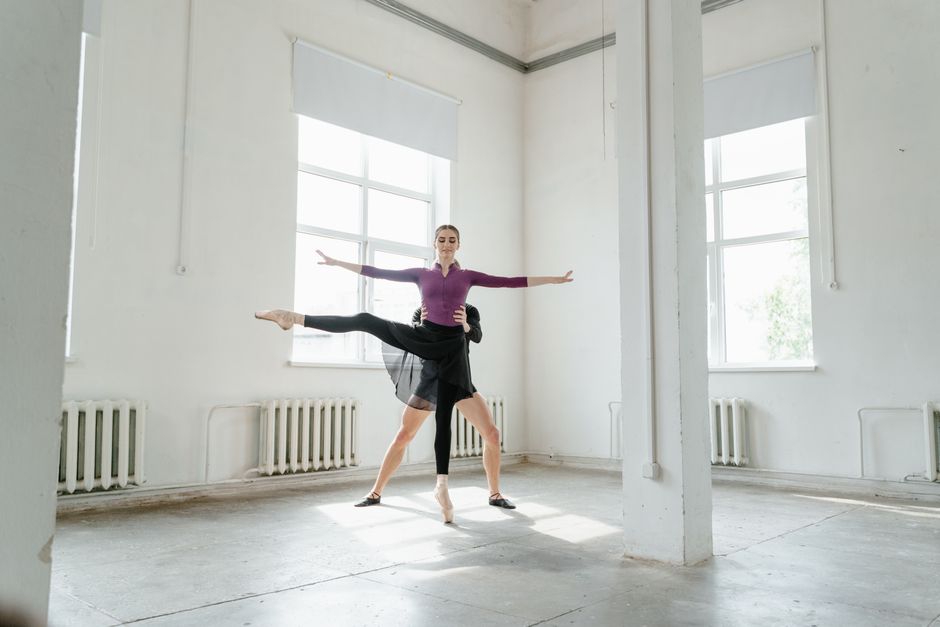
Whether you're a dance studio owner, educator, or registered training organisation (RTO) in Australia, building a structured dance curriculum that measures real skill development is increasingly important — and competency-based training offers a clear framework for doing exactly that.
Understanding Competency-Based Training in Dance Education
Competency-based training (CBT) is the backbone of Australia's vocational education and training (VET) system. Rather than measuring a learner's progress purely by hours spent in the studio or theory marks on a page, CBT focuses on whether a student can actually demonstrate a specific skill or knowledge outcome to a defined standard. In the context of dance education, this shift is significant.
Traditionally, dance instruction has relied heavily on observation and instructor intuition — a teacher "knows" when a student is ready to advance. While that instinct has real value, it lacks the consistency and transparency that students, employers, and accreditation bodies require. Competency-based frameworks bring structure to that process by defining exactly what a learner must be able to do, and how well they must do it, before progressing.
Within a structured dance curriculum, CBT typically organises learning into clearly defined units of competency. Each unit outlines:
- Performance criteria — what the student must demonstrate
- Knowledge evidence — what they need to understand theoretically
- Assessment conditions — the context in which they're assessed
This approach mirrors how RTOs across all industries design nationally recognised training programs. Interestingly, as education technology evolves — including tools built on technologies like large language model systems — the ability to personalise and track competency progress is becoming more sophisticated.
For dance educators in Australia, understanding CBT isn't just about compliance — it's about creating a fair, transparent, and replicable training environment where every student knows what's expected of them and how they'll be assessed.
Core Components of a Structured Dance Curriculum Framework
A well-designed structured dance curriculum framework is built around several interconnected components that work together to ensure learners develop genuine, assessable skills. In the Australian vocational education and training (VET) context, these components must align with recognised competency standards — meaning every element of the curriculum has a clear purpose and measurable outcome.
The key components typically include:
- Unit mapping: Each topic or skill area is mapped directly to a relevant unit of competency from an accredited training package. This keeps the curriculum compliant and ensures learners are working toward nationally recognised outcomes.
- Progressive skill sequencing: Content is ordered so that foundational techniques are introduced before more advanced material. Learners build confidence and capability in logical stages rather than being thrown into complex choreography before the basics are solid.
- Integrated theory and practice: Effective dance curriculum frameworks don't separate technical knowledge from physical performance. Understanding anatomy, rhythm, music theory, and safe practice principles is woven into practical sessions, not treated as an add-on.
- Clear assessment checkpoints: Competency-based training requires learners to demonstrate specific skills before progressing. A structured framework identifies exactly when and how those checkpoints occur — whether through observed performance, portfolio evidence, or written tasks.
- Trainer guidance documentation: Facilitators need clear delivery notes, timing guides, and assessment criteria so instruction stays consistent across different teachers, locations, or cohorts.
For registered training organisations (RTOs) delivering dance programs, getting these components right from the start saves significant time during audits and re-accreditation processes. It also creates a far better experience for students, who can see exactly where they are in their training journey and what they need to demonstrate to move forward.
In short, structure is not about rigidity — it is about giving both trainers and learners a reliable, transparent pathway through the curriculum.
Defining and Assessing Dance Competency Milestones
In a competency-based training framework, the question is never simply "how long has a student been studying?" — it's "what can the student actually do?" For dance educators operating within Australia's vocational training landscape, this shift in thinking requires clear, observable milestones that reflect genuine skill attainment rather than time served in a studio.
Dance competency milestones typically fall across three broad domains:
- Technical execution — the physical ability to perform specific movements, sequences, or styles to a defined standard
- Artistic interpretation — the student's capacity to convey intention, musicality, and expression within a given form
- Applied knowledge — understanding of anatomy, terminology, choreographic principles, and safe practice
The challenge for registered training organisations (RTOs) delivering dance qualifications is translating these domains into assessable criteria that hold up against the requirements of a Training Package or accredited course. Each milestone must be written so that a third-party assessor — not just the student's own teacher — can make a consistent, evidence-based judgement.
Practical assessment methods commonly used in structured dance programs include recorded performance tasks, assessor observation checklists, portfolio evidence, and peer or self-assessment tools. The key is triangulating evidence across multiple sources so that a competency sign-off reflects genuine, repeatable capability rather than a single strong day in the studio.
It's also worth noting that milestones should be progressive and scaffolded. Earlier units of competency lay the physical and conceptual groundwork for more complex performance demands later in the curriculum. When this sequencing is deliberate and well-documented, trainers can identify gaps early, adjust delivery accordingly, and ensure every student moves forward on a solid foundation — which is ultimately what competency-based training is designed to achieve.
Implementing Competency-Based Progression in Dance Classes
Moving from theory to practice, competency-based progression in dance classes requires a clear operational framework that teachers and studio coordinators can actually apply week to week. Rather than advancing students by term or age group, the model gates progression on demonstrated skill — and that shift demands both structural and cultural change within a dance program.
A practical implementation typically follows three core steps:
- Define your competency benchmarks. Break each dance style or level into discrete, observable skills — correct posture alignment, rhythm accuracy, technique execution, and performance confidence. Each benchmark should be specific enough that two different assessors would reach the same conclusion when observing a student.
- Build a portfolio or checklist system. Track each student's progress against benchmarks using a simple record-keeping tool. This mirrors approaches used across Vocational Education & Training in Australia, where evidence of competency underpins every qualification outcome.
- Schedule regular formative assessments. Rather than a single end-of-year recital assessment, embed short check-ins throughout the term. These low-stakes observations give students frequent, actionable feedback and give teachers early warning when a student is struggling with a foundational skill.
One common challenge is managing mixed-readiness groups — students who advance at different rates within the same class. Practical solutions include tiered exercises within a single lesson, peer mentoring partnerships, and flexible grouping that shifts students between levels as competencies are achieved.
Teacher professional development is equally critical here. Instructors need training in assessment design, feedback delivery, and record-keeping to implement this model consistently. Resources around Professional Development for training practitioners offer transferable guidance on building these assessment capabilities — principles that translate directly into a structured dance studio environment.
When implemented well, competency-based progression removes the guesswork from advancement decisions and gives students a transparent, motivating roadmap for their own growth.
Measuring Student Achievement and Adjusting Instruction
In a competency-based dance curriculum, measuring student achievement is less about ranking learners against each other and more about determining whether each individual has genuinely met the required standard. This distinction matters enormously in the Australian VET context, where the benchmark is competency demonstrated — not a bell curve.
Effective measurement in structured dance training typically draws on a combination of methods:
- Direct observation — assessing technical execution, timing, and spatial awareness during class or performance tasks
- Portfolio evidence — video recordings, reflective journals, or rehearsal logs that capture progress over time
- Third-party reports — feedback from industry practitioners, choreographers, or workplace supervisors who observe the learner in context
- Oral questioning — checking the learner's understanding of safe practice, stylistic conventions, and performance theory
Where a student has not yet reached competency, the assessment result is simply Not Yet Competent (NYC) — not a fail. This framing keeps the focus on growth and gives trainers a clear signal to adjust their approach. Adjusting instruction might mean breaking a skill into smaller practice segments, offering additional demonstration, pairing the learner with a peer mentor, or modifying the sequence of content delivery.
For registered training organisations (RTOs) delivering dance qualifications under the Creative Arts Training Package, keeping accurate assessment records is also a compliance requirement. Trainers need to document what evidence was collected, how it was judged, and what follow-up was planned.
The real strength of this approach is that data gathered from student assessments feeds directly back into curriculum design. Patterns of difficulty across a cohort — say, consistent struggles with a particular movement sequence — signal that the instructional method, not the learner, may need rethinking. That feedback loop is what keeps a structured dance curriculum responsive, rigorous, and genuinely fit for purpose.
Benefits and Challenges of Competency-Based Dance Programs
Competency-based training offers real advantages for dance students and the organisations that deliver structured dance curricula. Understanding both sides helps learners, teachers, and Registered Training Organisations (RTOs) set realistic expectations from the outset.
Key benefits include:
- Clear progression pathways: Students know exactly what skills they need to demonstrate at each stage, removing guesswork and keeping motivation high.
- Recognition of prior learning: Students who already hold certain technical skills can have those competencies formally recognised, avoiding unnecessary repetition and saving time.
- Industry-aligned outcomes: Because competency standards reflect real workplace expectations, graduates enter the professional dance world with credentials that employers and studios genuinely value.
- Flexible pacing: Learners progress when they are ready, rather than being locked to a fixed timetable — a genuine advantage for students balancing training with performance commitments.
Challenges worth acknowledging:
- Assessing artistic quality: Dance involves creativity and expression that can be difficult to measure against fixed competency benchmarks without reducing the art form to a checklist.
- Trainer workload: Rigorous observation, documentation, and individualised feedback demands significant time and expertise from qualified assessors.
- Consistency across assessors: Maintaining standardised judgements about physical performance across different trainers requires ongoing moderation and calibration processes.
- Student adjustment: Learners accustomed to traditional grading systems may initially find competency-based feedback — focused on meeting a standard rather than ranking against peers — unfamiliar or even unsettling.
With thoughtful curriculum design and strong assessor support, most of these challenges are manageable. The benefits consistently outweigh the hurdles when programs are built around clear, well-documented standards.
A structured dance curriculum grounded in competency-based principles gives students, trainers, and employers a shared language for skill development. From foundational movement literacy through to professional performance readiness, this approach brings transparency, consistency, and genuine industry relevance to dance training — making it a sound investment for anyone serious about building a career in the performing arts within Australia's vocational education framework.